 Yuvilya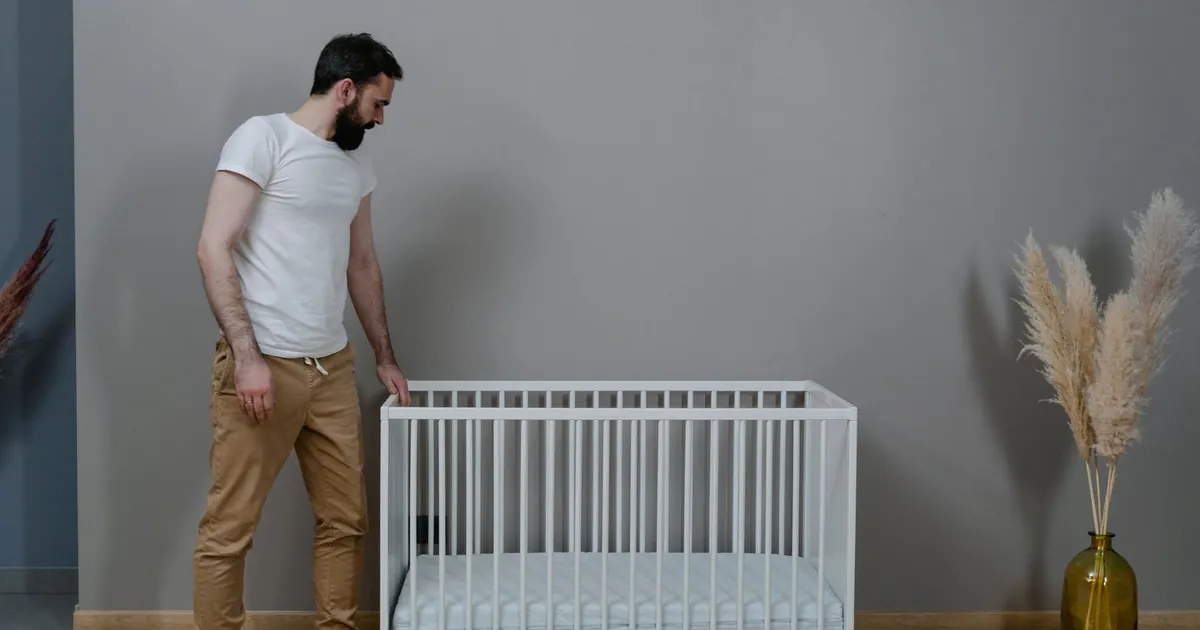
At a glance
Being in another home does not change safer sleep principles: place your baby on their back, use a separate firm, flat sleep surface and keep the cot clear. Sharing your room for sleep is recommended for the first six months.
Ask practical questions before you travel
Ask your host where the baby could sleep and in which room. Check the cot or travel cot manufacturer’s instructions and its age and usage requirements. This guide does not test or endorse a product; a decorative appearance is not evidence that a sleep space is suitable.
Check the inside of the cot on arrival
Keep pillows, toys, loose bedding and cot bumpers out of the sleep space. Do not add padding or another mattress to make it softer. Falling asleep with a baby on a sofa or armchair is not a safe alternative.
Separate the journey from the arrival plan
A car seat is for travel; on arrival, move your baby to an appropriate flat sleep surface. Agree who will unpack, greet visitors and prepare the sleep space. Name the person taking over rather than assuming someone must be looking after it.
Use a clear handover sentence
A clear sentence helps: “For sleep, we put the baby on their back in this cot and leave nothing extra inside.” If the visit cannot accommodate that plan, change the visit arrangements rather than improvising a sleep surface. Follow any individual instructions from your baby’s healthcare team.
How was this guide prepared?
Prepared by Yuvilya for general information. Topics are explained using the sources listed below and practical examples to help you use your personal records.
You can read the original sources and report a correction to info@yuvilya.com. You do not need to send health records or passwords.