 Yuvilya
At a glance
Feeling warm is not the same as a measured temperature, and one number cannot describe a baby’s whole condition. Tell the care team about age, the method used and changes in behaviour.
Start with age-specific help thresholds
Seek urgent medical assessment for a temperature of 38°C or above in a baby under 3 months, or 39°C or above at 3–6 months. Do not delay help to obtain a perfect reading if you think a very young baby has a fever. A lower number does not make waiting safe when a baby appears unwell.
Take a digital underarm reading
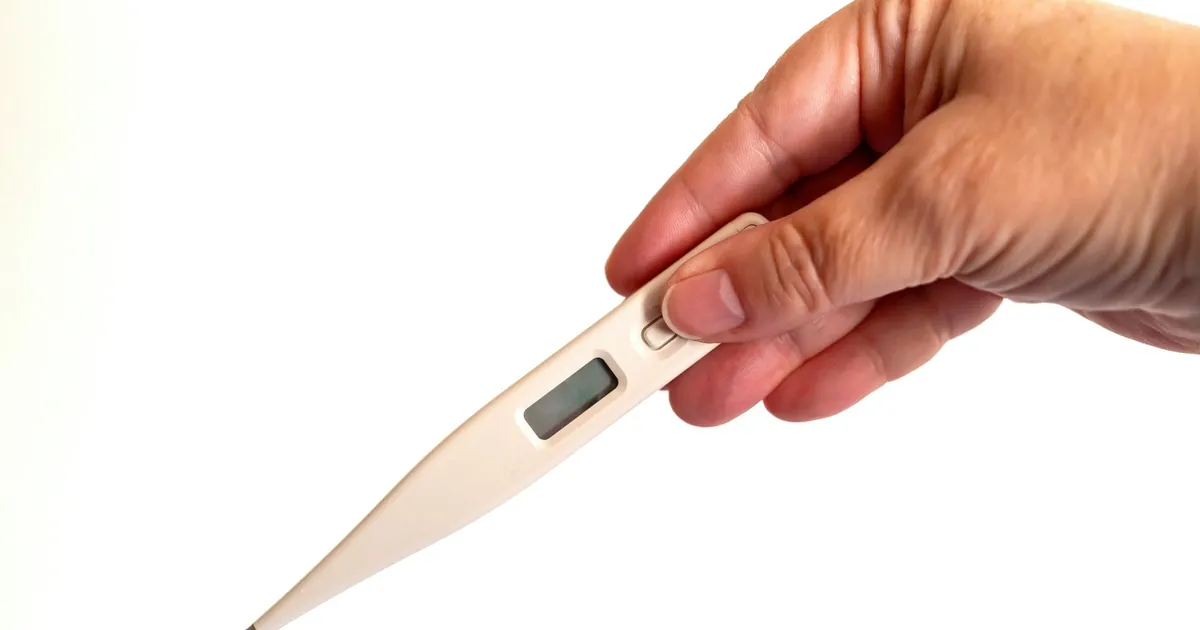
NHS guidance recommends a digital thermometer in the armpit for young children. Position the tip, gently hold the arm against the body and follow the device instructions for timing. Do not add or subtract degrees yourself. Clean the device as its instructions specify.
Put emergency symptoms before the number
Get emergency help for breathing difficulty, blue or unusual colour changes, difficulty waking, a first seizure or a rash that does not fade under pressure. Use the local emergency number. Do not delay care for a deteriorating baby while repeatedly checking the thermometer.
Keep the record brief and useful
You can report age, time, temperature, the underarm method and changes in feeding or wet nappies. A recent bath or heavy wrapping can briefly affect a reading, but this is not a reason to dismiss emergency symptoms. Get individual advice about medicine choice and dose.
How was this guide prepared?
Prepared by Yuvilya for general information. Topics are explained using the sources listed below and practical examples to help you use your personal records.
You can read the original sources and report a correction to info@yuvilya.com. You do not need to send health records or passwords.